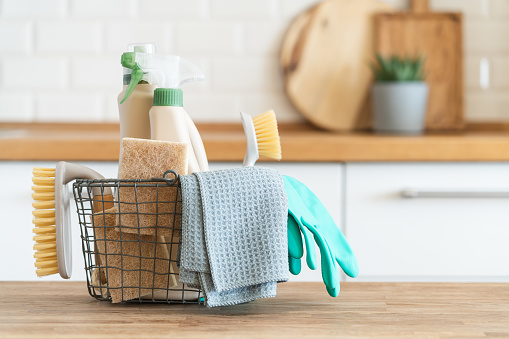
Deep cleaning your home gives you a sense of accomplishment and a clutter-free space. For the 31.7% of adults in the U.S. with allergies,[1] those treasured deep cleans can even ease symptoms like sneezing, hives and itchy, watery eyes.
How Does Deep Cleaning Help People With Allergies?
You’ve probably seen pollen floating through Woodward Park and Gardens. If you’re allergic to pollen, the concentration of those pesky floating allergens will influence the severity of your symptoms.
The park isn’t the only place you can find allergens; mold spores, dust mites, pet dander and pollen can all live in your home. The longer you go between cleanings, the denser your home’s accumulation of allergens will be. Cleaning removes all those built-up allergens and gives your nose some breathing room—literally. Fewer allergens mean less inflammation, and less inflammation means congestion doesn’t stop air from moving through your sinuses.
Cleaning Tips
A top-to-bottom cleaning is best if your allergy symptoms are worse than ever. If you’re just doing a regular maintenance clean, make sure to take these steps:
- Vacuum or sweep and mop all floors in the house, including the basement
- Wash bedding and soft children’s toys, including pillows, blankets, sheets and stuffed animals
- Bathe and brush your dogs and cats
- Clean bathrooms and pay special attention to the windows and caulking around the toilet, tub and sink where mold is more likely to grow
- Clean the kitchen and kitchen cabinets
- Lint roll all upholstered furniture
- Change or clean filters in any AC or air filter units
- Hire someone to cut your grass if your pollen allergies are severe
In addition to cleaning tips, you can prevent excess pollen from coming into your home by closing the doors and windows or installing allergy screens. Showering and washing your clothes after coming inside can also be helpful.
Combining a clean house with allergy medication or immunotherapy—which gradually decreases your sensitivity to specific allergens—will significantly minimize the severity of your symptoms this hay fever season.
For more information on managing your allergies or to schedule an allergy test, contact Eastern Oklahoma Ear Nose and Throat – Yale Office today.
[1] Bottoms-McClain, L., Giri, A., & Ng, A. E. (2026). Diagnosed allergic conditions in adults: United States, 2024. National Center for Health Statistics. https://www.cdc.gov/nchs/products/databriefs/db545.htm