An estimated 20 million people in the U.S. are allergic to pollen.[1] Pollen allergies can trigger a range of unpleasant symptoms, including:
- Runny or stuffy nose
- Sneezing
- Red, watery eyes
- Puffiness around the eyes
- Itchy eyes, ears or throat
- Coughing
- Loss of smell or taste
- Increased asthma symptoms
Pollen floats through the air during the spring, summer and fall. Learning which type of pollen you’re sensitive to and how to avoid it is crucial to easier breathing during allergy season.
The Three Types of Pollen
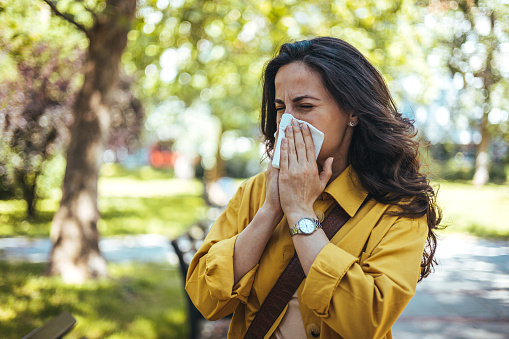
The three types of pollen are trees, grasses and weeds, each with its own season:
- Tree pollen: March through May
- Grass pollen: late spring and summer
- Weed pollen: late summer and fall
A few common types of each pollen include:
- Tree pollen: birch, oak, juniper and cedar
- Grass pollen: Bahia, Bermuda, Timothy, Fescue, Johnson and Kentucky blue
- Weed pollen: Ragweed, burning bush, cocklebur and lamb’s quarters
Oak and cedar tree pollen, Bermuda and Timothy grass pollen and ragweed pollen are all common in Oklahoma.[2]
Avoiding Pollen Exposure
You can’t stop trees, grasses and weeds from releasing pollen, but there are a few ways you can limit your exposure to the substance:
- Check pollen counts in Tulsa and limit time outside when counts are high, especially on windy days
- Close your windows and rely on air conditioning, or install special allergy screens on your windows
- Wear a mask and goggles if you’re mowing the lawn or gardening
- Wear long sleeves and pants during park days
- Shower upon returning home to remove pollen stuck to your skin, hair or clothes
- Use HEPA filters in your home
- Wash pets regularly
In addition to allergen avoidance, you can control your symptoms with daily medications like antihistamines or mast cell inhibitors.
If you’re interested in long-term allergy treatment options, such as immunotherapy, contact Eastern Oklahoma Ear Nose and Throat – Yale Office today. Our specialists will conduct an allergy test to identify which types of pollen trigger your symptoms and help you choose the right treatment path forward.
[1] Cleveland Clinic. (2023, November 20). Pollen allergy: Causes, symptoms & treatment. Cleveland Clinic. https://my.clevelandclinic.org/health/diseases/pollen-allergy
[2] IQAir. (n.d.). Oklahoma City pollen and allergy report. IQAir. https://www.iqair.com/pollen/usa/oklahoma/oklahoma-city